
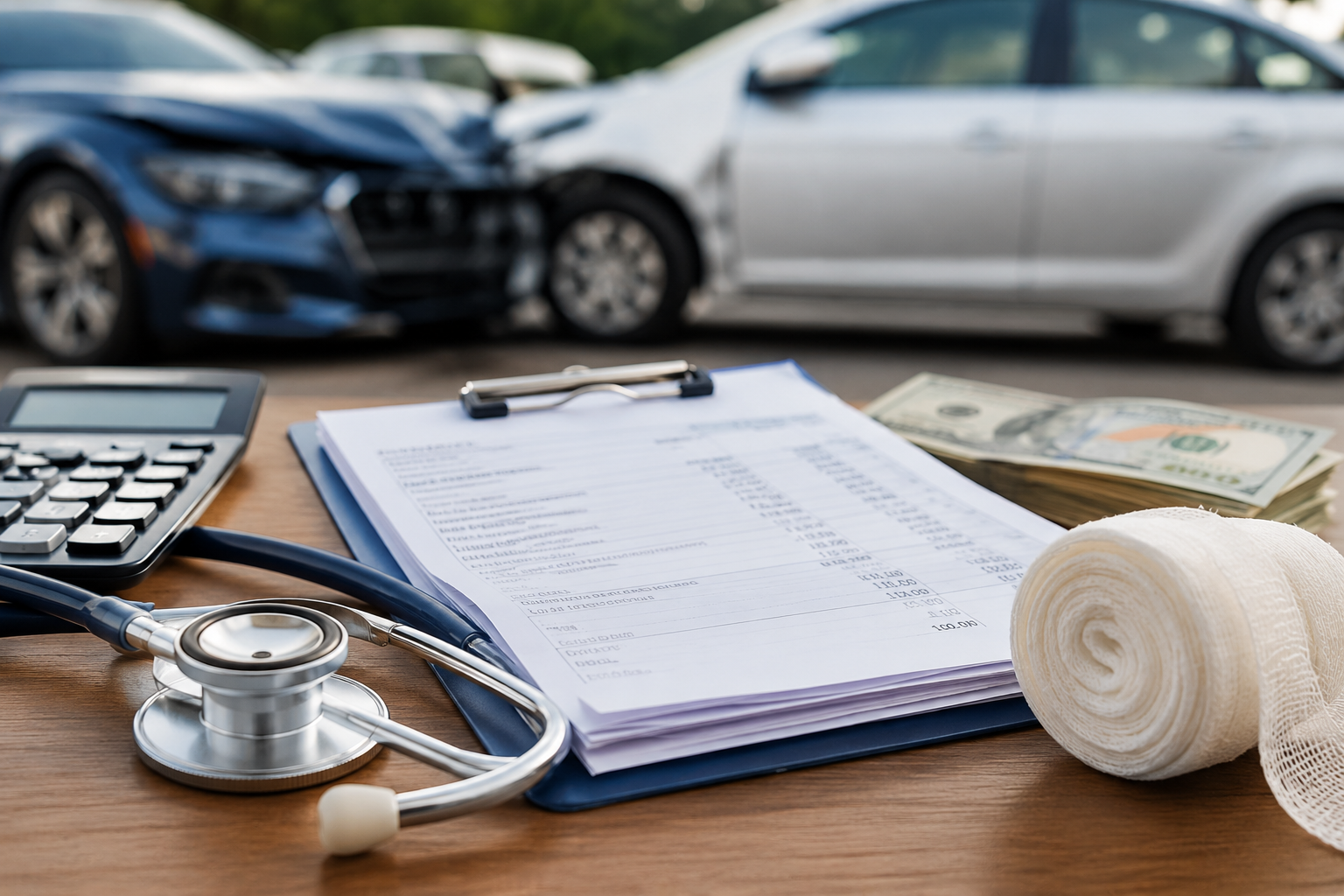
A car accident can leave you dealing with much more than vehicle damage. Even relatively minor crashes can result in emergency room visits, diagnostic testing, physical therapy, prescription medications, and ongoing medical treatment. One of the first questions many accident victims ask is: Who pays medical bills after a car accident in Pennsylvania?
The answer depends on several factors, including the type of insurance coverage you carry, the severity of your injuries, and whether another driver was responsible for the crash.
At Gieg & Jancula, we help accident victims throughout Altoona and central Pennsylvania understand their rights and pursue the compensation they deserve. In this guide, we’ll explain how medical bills are handled after a Pennsylvania car accident and what options may be available if your expenses exceed your insurance coverage.
Pennsylvania Is a No-Fault Insurance State
Pennsylvania operates under a modified no-fault insurance system. This means that after a car accident, your own insurance company typically pays for your initial medical expenses, regardless of who caused the crash.
This coverage comes from a portion of your auto insurance policy known as Personal Injury Protection (PIP) or Medical Benefits Coverage.
Every Pennsylvania driver is required to carry at least:
- $5,000 in Medical Benefits Coverage
- $15,000 per person bodily injury liability coverage
- $30,000 per accident bodily injury liability coverage
- $5,000 property damage liability coverage
Because of this system, your first source of payment for accident-related medical treatment is generally your own auto insurance policy.
What Is Personal Injury Protection (PIP)?
Personal Injury Protection, often called PIP or Medical Benefits Coverage, pays for reasonable and necessary medical expenses resulting from a car accident.
PIP may cover:
- Ambulance transportation
- Emergency room treatment
- Hospital stays
- Diagnostic testing such as MRIs and CT scans
- Surgery
- Physical therapy
- Chiropractic care
- Follow-up doctor visits
- Prescription medications
One important benefit of PIP coverage is that it pays regardless of fault. Even if you caused the accident, your medical benefits coverage can help pay your medical bills.
What Happens When PIP Coverage Runs Out?
Unfortunately, serious injuries often result in medical bills that far exceed the minimum $5,000 required under Pennsylvania law.
If your PIP benefits are exhausted, other sources of payment may include:
Health Insurance
Once your available PIP benefits are used, your health insurance may begin covering treatment according to the terms of your policy.
However, you may still be responsible for:
- Deductibles
- Copayments
- Coinsurance
- Out-of-network costs
In many cases, your health insurer may later seek reimbursement from any personal injury settlement you receive.
Medical Payment Agreements
Some medical providers may agree to delay collection efforts until your injury claim is resolved.
This arrangement is sometimes referred to as a letter of protection or medical lien arrangement.
Personal Injury Settlement
If another driver caused the crash, you may be entitled to recover compensation for medical expenses through a personal injury claim.
A successful claim can include reimbursement for:
- Past medical bills
- Future medical expenses
- Lost wages
- Pain and suffering
- Permanent disability
- Reduced earning capacity
Can the At-Fault Driver Be Required to Pay My Medical Bills?
Yes.
While your own insurance generally pays first under Pennsylvania’s no-fault system, the at-fault driver may ultimately be financially responsible for your damages.
If another driver’s negligence caused the accident, you may pursue compensation through a bodily injury claim against their insurance policy.
Examples of negligent driving include:
- Distracted driving
- Texting while driving
- Speeding
- Running red lights
- Driving under the influence
- Following too closely
- Aggressive driving
Through a settlement or lawsuit, you may recover compensation for both current and future medical expenses.
What If the Other Driver Doesn’t Have Insurance?
Unfortunately, not every Pennsylvania driver carries adequate insurance.
If the at-fault driver is uninsured or underinsured, you may still have options through your own policy.
Uninsured Motorist Coverage (UM)
Uninsured Motorist Coverage may provide compensation when the at-fault driver has no insurance.
Underinsured Motorist Coverage (UIM)
Underinsured Motorist Coverage may apply when the at-fault driver’s insurance limits are insufficient to cover your damages.
Although Pennsylvania does not require drivers to carry UM/UIM coverage, many policies include it.
Reviewing your insurance policy after an accident can help identify all available sources of compensation.
What Medical Bills Can Be Included in a Personal Injury Claim?
A personal injury claim can seek compensation for much more than emergency room treatment.
Medical damages may include:
- Emergency transportation
- Hospital bills
- Surgery costs
- Physician visits
- Specialist treatment
- Physical therapy
- Occupational therapy
- Rehabilitation expenses
- Prescription medications
- Medical equipment
- Future medical treatment
- Home healthcare services
For catastrophic injuries, future medical costs can represent a substantial portion of a settlement.
An experienced personal injury lawyer can work with medical experts to accurately calculate those future expenses.
What If I Was Partially at Fault?
Pennsylvania follows a modified comparative negligence rule.
Under this system:
- You can recover compensation if you are less than 51% responsible for the accident.
- Your compensation will be reduced by your percentage of fault.
- If you are 51% or more at fault, you cannot recover damages from the other party.
For example:
If your total damages are $100,000 and you are found 20% responsible, your recovery would be reduced to $80,000.
Because insurance companies often try to shift blame to reduce payouts, having legal representation can be critical.
Should I Use My Health Insurance After a Car Accident?
In many cases, yes.
Once PIP benefits are exhausted, using health insurance can help ensure you continue receiving necessary treatment without interruption.
However, it’s important to understand that your health insurer may have a reimbursement right if you later receive a settlement.
This process is known as subrogation.
An attorney can often negotiate these reimbursement claims and help maximize the amount you keep from your settlement.
Common Mistakes Accident Victims Make
Many people unknowingly hurt their injury claim by making avoidable mistakes.
Common examples include:
Delaying Medical Treatment
Insurance companies often argue that delayed treatment means the injury wasn’t serious.
Failing to Follow Medical Advice
Missing appointments or ignoring treatment recommendations can weaken your case.
Providing Recorded Statements
Insurance adjusters may use recorded statements against you later.
Accepting a Quick Settlement
Early settlement offers rarely account for future treatment costs.
Not Consulting an Attorney
Many accident victims underestimate the value of their claim and settle for less than they deserve.
How a Pennsylvania Car Accident Lawyer Can Help
Navigating medical bills after a car accident can quickly become overwhelming.
At Gieg & Jancula, we help clients:
- Identify all available insurance coverage
- Coordinate with medical providers
- Gather medical records and evidence
- Calculate future medical expenses
- Negotiate with insurance companies
- Pursue maximum compensation through settlement or litigation
Our goal is to help you focus on your recovery while we handle the legal complexities.
Frequently Asked Questions
Do I have to pay my medical bills while my case is pending?
Generally, yes. Medical providers expect payment regardless of whether your claim has settled. However, some providers may agree to wait for payment through a lien arrangement.
Can I recover future medical expenses?
Yes. If your injuries require ongoing treatment, future medical costs can be included in your personal injury claim.
What happens if my medical bills exceed the at-fault driver’s insurance limits?
Additional compensation may be available through your own underinsured motorist coverage or other insurance policies.
Does PIP cover lost wages?
Pennsylvania’s basic Medical Benefits Coverage primarily covers medical expenses. Additional coverage may be available depending on your policy.
Contact Gieg & Jancula After a Pennsylvania Car Accident
If you’ve been injured in a car accident, understanding who pays your medical bills is only the first step. The decisions you make in the days and weeks following a crash can significantly impact your financial recovery.
At Gieg & Jancula, we proudly represent accident victims throughout Altoona, Blair County, and the surrounding areas. We can help you understand your insurance coverage, protect your rights, and pursue the compensation you deserve.
Call Gieg & Jancula today at 814-946-1606 for a free consultation. We’ll review your case, answer your questions, and help you move forward with confidence.