


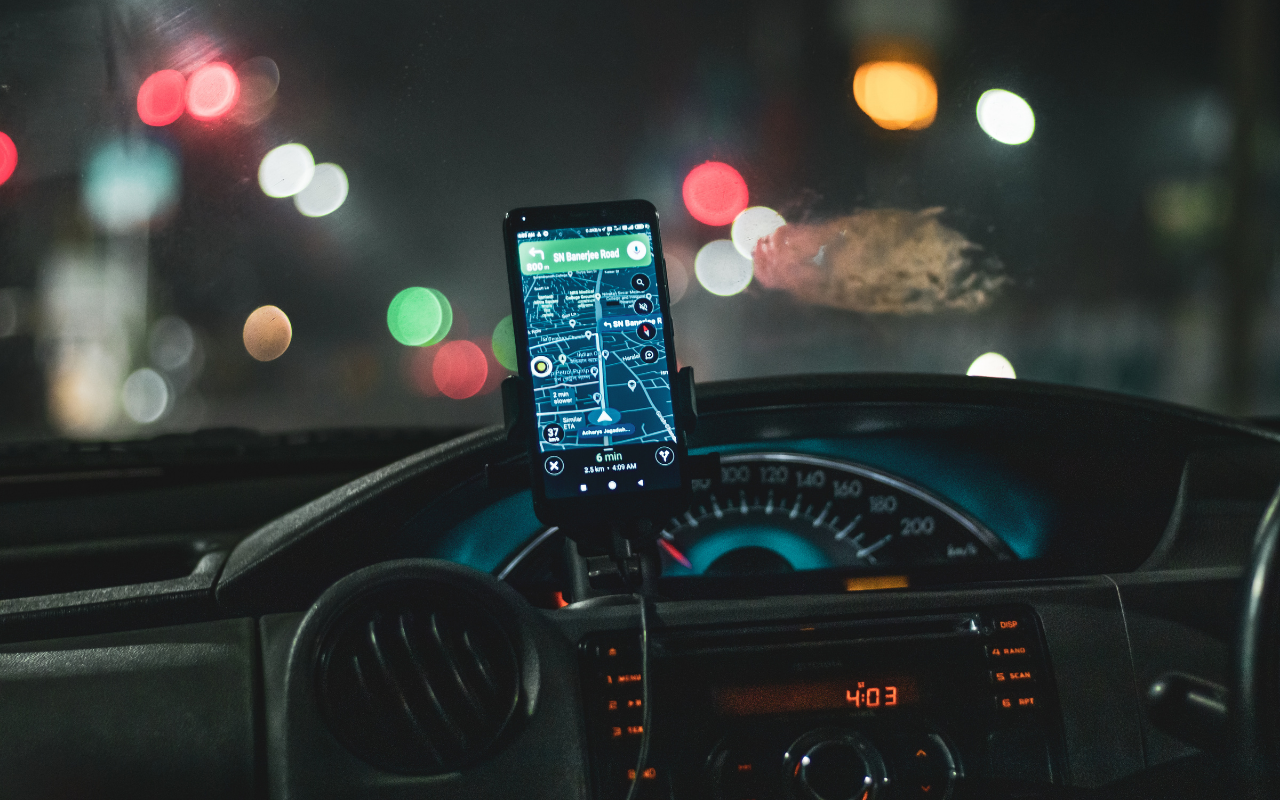
Uber and Lyft have become part of daily life in central Pennsylvania. Between college students in State College, weekend travelers in Altoona, and passengers who avoid driving after events at the Bryce Jordan Center or the Cambria County War Memorial Arena, rideshare traffic is significant, and rideshare crashes have grown alongside it.
Rideshare cases are also more complex than a typical car accident. Passengers, other drivers, pedestrians, and cyclists injured in a crash involving an Uber or Lyft vehicle face a confusing three-tier insurance system, aggressive defense tactics from billion-dollar rideshare companies, and questions about who is actually responsible. At Gieg & Jancula, our attorneys have handled personal injury claims across Pennsylvania for more than 80 years. Here is what you need to know about rideshare accidents in PA.
Who Can Bring a Claim After a Rideshare Crash?
Anyone injured in a crash involving a rideshare vehicle may have a claim. That includes:
- Passengers riding in an Uber or Lyft
- Drivers and passengers in another vehicle struck by a rideshare driver
- Pedestrians and cyclists hit by a rideshare vehicle
- The rideshare driver themselves, when another driver caused the crash
The key question is not who was hurt, but which insurance policy applies. That answer depends on what the rideshare driver was doing at the moment of the crash.
The Three Insurance Periods That Determine Coverage
Uber and Lyft both use a three-period insurance model. Understanding which period applies is essential to knowing which policy pays.
Period 0: App Off
The rideshare driver is off duty and using the vehicle personally. Only the driver’s personal auto insurance applies. Uber and Lyft’s coverage does not.
Period 1: App On, Waiting for a Ride Request
The driver is logged into the app but has not yet accepted a passenger. During this period, Uber and Lyft in Pennsylvania are required to provide limited liability coverage: $50,000 per person, $100,000 per accident for bodily injury, and $25,000 for property damage. The driver’s personal insurance is typically primary, with the rideshare coverage kicking in when the personal policy denies coverage (which many personal auto policies do when the driver is using the vehicle for rideshare).
Period 2: Ride Accepted, Driver En Route to Pickup
Once the driver accepts a trip request and is on the way to the passenger, the rideshare company’s full commercial coverage takes effect. Uber and Lyft both maintain $1 million in liability coverage during this period.
Period 3: Passenger in the Vehicle
From the moment the passenger gets in until the ride ends, the same $1 million commercial liability policy remains in effect. Uber and Lyft also provide uninsured and underinsured motorist coverage during Periods 2 and 3 in most states, including Pennsylvania.
The takeaway: when a rideshare driver has accepted a ride or is transporting a passenger, there is $1 million in coverage available. When the app is on but no ride has been accepted, coverage is much thinner. When the app is off, the rideshare company’s insurance does not apply at all.
Who Pays When You Are Injured in a Rideshare Crash?
The answer depends on who caused the crash and what period the rideshare driver was in.
The Rideshare Driver Caused the Crash
If the Uber or Lyft driver caused your injury while an app was on, the rideshare company’s insurance is typically responsible, up to the applicable coverage limit. Our car accident attorneys file claims directly against the rideshare company’s insurance carrier.
Another Driver Caused the Crash
If a third-party driver caused the crash, that driver’s liability insurance is the primary source of recovery. If their coverage is not enough (many Pennsylvania drivers carry only the state-minimum $15,000 per person limit), Uber and Lyft’s underinsured motorist coverage during Periods 2 and 3 can step in.
A Pedestrian or Cyclist Is Injured
Pedestrians and cyclists struck by a rideshare vehicle have the same access to Uber or Lyft’s commercial policy during Periods 2 and 3 as passengers do. This is often the fastest path to compensation for serious pedestrian injuries.

Can You Sue Uber or Lyft Directly in Pennsylvania?
Uber and Lyft classify their drivers as independent contractors, not employees. Historically, this has allowed the companies to avoid direct liability under respondeat superior. Both companies also require passengers to accept arbitration provisions in their terms of service.
That said, direct claims against the companies themselves are possible in certain fact patterns, including negligent hiring, negligent retention, and failure to remove dangerous drivers after complaints. These cases are legally complex and require attorneys with experience navigating rideshare company defenses. Fortunately, in most rideshare crashes, the $1 million commercial policy is enough to cover even catastrophic injuries.
Common Injuries in Rideshare Crashes
Because rideshare vehicles are typically ordinary passenger cars, injuries in these crashes look similar to any other car accident. We regularly handle:
- Whiplash and other soft tissue injuries
- Concussions and traumatic brain injuries
- Broken bones and orthopedic damage
- Back and spinal injuries
- Internal injuries
- Fatal injuries requiring a wrongful death claim
Passengers are especially vulnerable because they are often seated in the rear and may not be wearing a seat belt (though Pennsylvania law requires it for passengers under 18, and it is always a good idea).
What to Do After a Pennsylvania Rideshare Accident
The steps you take in the moments after a crash can affect your recovery for years.
- Call 911 and request police response, no matter how minor the crash seems.
- Get medical attention immediately, even if you feel okay.
- Take screenshots of the Uber or Lyft ride information, including driver name, license plate, ride status, and any receipts.
- Photograph the scene, all vehicles, and any injuries.
- Get contact information for witnesses.
- Report the crash through the Uber or Lyft app.
- Do not accept a quick settlement offer or sign anything without speaking to an attorney.
- Preserve any communications with the rideshare company.
Pennsylvania’s two-year statute of limitations under 42 Pa.C.S. § 5524 applies to rideshare crashes just as it does to any other personal injury case. Waiting too long can bar your claim entirely.
Why Choose Gieg & Jancula for Your Rideshare Case
Rideshare cases require attorneys who understand the layered insurance system, the arbitration and terms-of-service arguments the companies use, and the fastest paths to a fair recovery. Our firm has served injured Pennsylvanians for more than 80 years, and our case results reflect the kind of results we deliver in serious motor vehicle claims.
Frequently Asked Questions
Do I have to file a claim through Uber’s or Lyft’s app?
You should report the crash through the app to trigger their internal claims process, but you are not required to negotiate directly with the rideshare company or their insurer. Working through an attorney gives you a stronger position and protects you from statements that can be used to reduce your claim.
What if the rideshare driver had their app off?
If the driver was completely off duty, only their personal auto insurance applies. Because many personal auto policies exclude rideshare use, this can create coverage gaps. An attorney can identify whether hidden coverage may still be available.
How much is a rideshare accident case worth?
Case value depends on injury severity, medical costs, lost wages, permanence of injuries, and available insurance coverage. Because Uber and Lyft carry $1 million in coverage during Periods 2 and 3, rideshare cases often have substantially higher recovery potential than crashes involving only personal auto policies.
Talk to a Pennsylvania Rideshare Accident Attorney Today
If you were hurt in an Uber or Lyft crash anywhere in central Pennsylvania, call Gieg & Jancula at 814-946-1606 or reach us through our contact page. Free consultations. No fees unless we win your case.