
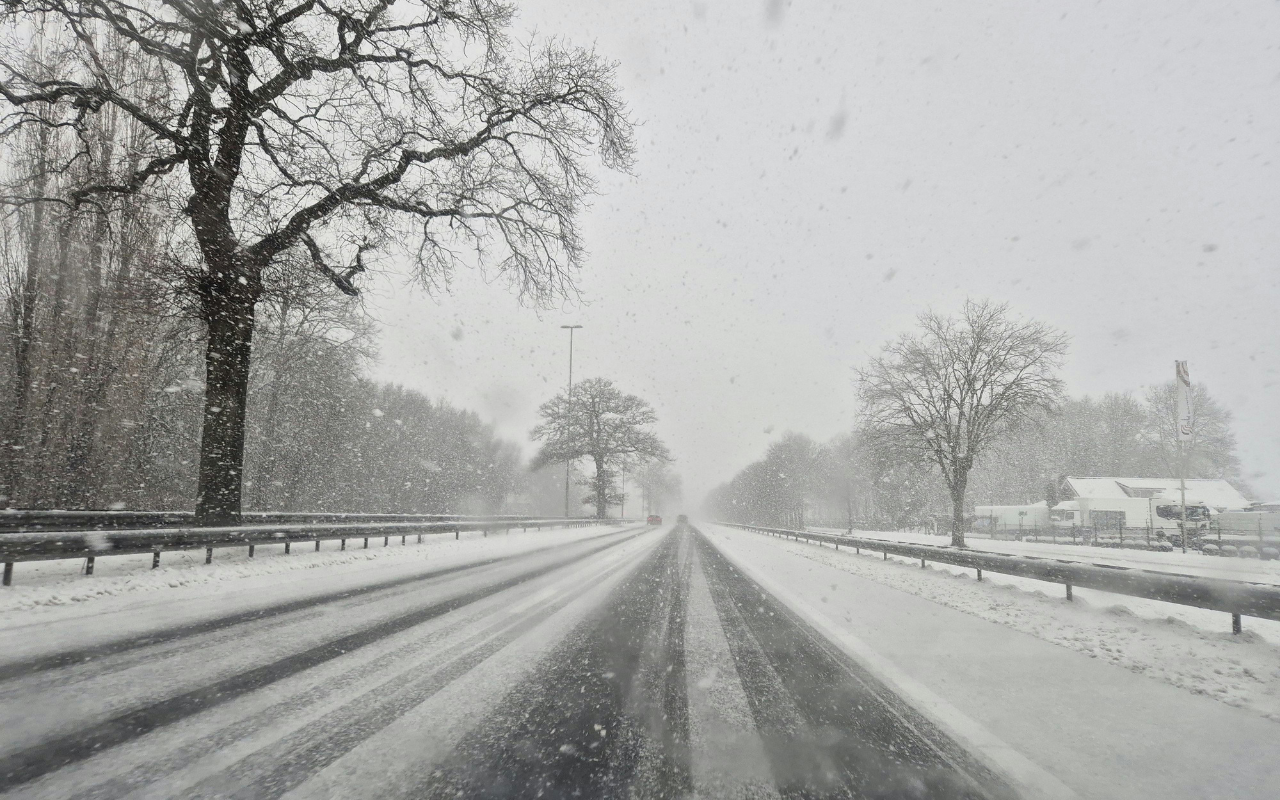
Winter driving in central Pennsylvania is a challenge on the best of days. Elevation changes on I-99, freeze-thaw cycles across the Allegheny Front, lake-effect snow that reaches Cambria County, and long two-lane stretches on US-22 and US-30 combine to make November through March one of the deadliest stretches on Pennsylvania roads. The attorneys at Gieg & Jancula have represented injured Pennsylvanians for more than 80 years, and every winter we see the same preventable crashes and the same insurance company excuses.
If you or a loved one was hurt in a winter crash, here is what you need to know about your rights, the “weather did it” defense, and who is really responsible.
How Common Are Winter Crashes in Pennsylvania?
Winter conditions dramatically increase the risk of serious injury on Pennsylvania roads. According to the Pennsylvania Department of Transportation’s crash statistics, winter weather is a factor in tens of thousands of reportable crashes each year. December, January, and February consistently produce spikes in multi-vehicle collisions, run-off-the-road crashes, and rollovers.
Central Pennsylvania is especially vulnerable. Elevation changes on I-99 between Altoona and State College produce sudden black ice patches where wet roads freeze at higher elevations. Bedford County’s US-30 and I-70 corridors handle heavy Turnpike-bound traffic during storms. Rural stretches around Ebensburg and Huntingdon rarely see prompt plowing, and shady curves stay icy long after main roads have cleared.
The “Weather Did It” Defense Rarely Holds Up
One of the most common tactics insurance companies use after a winter crash is to blame the weather. Fresh snow, black ice, or freezing rain, they argue, caused the crash, so no one is really at fault. This defense is almost never legally valid.
Pennsylvania drivers have a legal duty to adjust their driving to conditions. That means slowing down in snow, increasing following distance on wet roads, using headlights, clearing snow off vehicles before driving, and driving on tires appropriate to conditions. Failing to do any of these things is a form of negligence, and Pennsylvania courts have consistently held that weather is a foreseeable condition, not a legal excuse.
If another driver rear-ended you on I-99 because they were following too closely for the conditions, or lost control on US-22 because they were speeding through fresh snow, the crash is their fault, not the weather’s.
Duty of Care in Winter Conditions
Pennsylvania’s duty of care standard requires drivers to operate their vehicles as a reasonable person would under the circumstances. In winter, that duty is heightened. Reasonable winter driving includes:
- Reducing speed well below the posted limit when conditions require
- Increasing following distance to at least six seconds in slick conditions
- Braking gently and avoiding sudden steering inputs
- Clearing all snow and ice from windows, mirrors, headlights, and taillights
- Ensuring windshield wipers and washer fluid are functional
- Maintaining adequate tire tread and proper inflation
- Turning on headlights whenever wipers are in use
A driver who ignores these basic precautions and causes a crash is legally responsible, no matter how bad the weather.
Who Is Liable in a Black Ice Crash?
Black ice cases are among the trickiest winter injury claims because the road may look wet or bare when it is actually a sheet of ice. Liability usually turns on a few factors:
- Speed and following distance. A driver approaching an icy patch at 65 mph on I-99 is not driving reasonably, even if the ice was invisible.
- Prior warning. Advisories, temperature drops, and reports of icy conditions on the same road all put drivers on notice.
- Vehicle condition. Bald tires, worn brakes, and a lack of winter preparation all affect fault.
- Behavior after loss of control. Overcorrection, sudden braking, and unsafe steering can shift or share fault.
Because black ice is often invisible, expert reconstruction is sometimes required. Our personal injury attorneys work with accident reconstructionists who can pull weather data, roadway temperature logs, and vehicle event data recorders to prove exactly what happened.

Multi-Vehicle Chain-Reaction Crashes
Pennsylvania winters produce pile-ups on stretches of the Turnpike, I-99, I-80, and I-76 every year. In a chain-reaction crash, fault can be shared among multiple drivers. Pennsylvania follows a modified comparative negligence rule: as long as you are 50 percent or less at fault, you can recover, with your award reduced by your share of responsibility. If you are 51 percent or more at fault, you recover nothing.
Determining who set the chain reaction in motion, and how each subsequent driver contributed, requires careful investigation. Our car accident attorneys regularly handle multi-vehicle winter crashes and know how to sort out competing accounts to protect our clients’ recoveries.
Road Maintenance Liability: State, PennDOT, and Local Governments
Pennsylvania roads are maintained by different entities depending on the road. Interstates, U.S. routes, and state routes are typically maintained by PennDOT. Local streets are maintained by boroughs, townships, and cities. Private parking lots and driveways are the responsibility of property owners.
When a government entity fails to maintain a road, its liability is complicated by Pennsylvania’s Sovereign Immunity Act and Political Subdivision Tort Claims Act. These laws grant broad protection to state and municipal governments, with narrow exceptions for dangerous conditions of Commonwealth-owned real property and vehicles. Damage caps and shorter notice deadlines apply. If a government agency may be responsible for your crash, the deadlines to file a formal notice can be as short as six months, so early consultation with an attorney is critical.
Private property owners, including retail stores, apartment complexes, and businesses, owe a duty to keep parking lots and walkways reasonably safe. Failure to salt or plow can lead to premises liability claims for both vehicle crashes and slip-and-fall injuries.
Special Considerations for Central Pennsylvania Communities
Every county in our service area has its own winter driving hazards. Our attorneys handle winter crashes across the region, including in Bedford, Ebensburg, and Huntingdon. Rural roads in these communities often see slower plowing, and cell service can be spotty for reporting crashes.
Cases involving fatal winter crashes may also give rise to a wrongful death claim on behalf of surviving family members.
What to Do After a Pennsylvania Winter Crash
The steps you take in the first hour matter.
- Get to a safe location and turn on hazard lights.
- Call 911. Insist on a police response even for “minor” crashes.
- Get medical care. Adrenaline can mask serious injuries in cold weather.
- Photograph the scene, all vehicles, road surface, weather conditions, and any warnings or salting equipment nearby.
- Get contact information for witnesses.
- Save any dashcam or vehicle event data recorder footage.
- Report weather and road conditions accurately when you speak to police.
- Do not admit fault or accept a quick settlement.
- Call a personal injury attorney before signing anything.
Frequently Asked Questions
Can I recover if the other driver claims it was “just the weather”?
Yes. Pennsylvania courts hold drivers responsible for adjusting to weather conditions. A weather-based excuse rarely holds up when a driver was speeding, following too closely, or otherwise failing to drive reasonably for the conditions.
What if I lost control on black ice and hit another car?
You may still recover damages if you were 50 percent or less at fault under Pennsylvania’s comparative negligence rule. Whether you were reasonably operating your vehicle in the conditions is the key question. An experienced attorney can evaluate your case.
How long do I have to file a claim after a winter crash?
Pennsylvania’s two-year statute of limitations applies to most personal injury cases. Claims against government entities can have much shorter notice deadlines. Talk to a lawyer as soon as possible.
Talk to a Pennsylvania Winter Accident Lawyer Today
If you were hurt in a snow, ice, or black ice crash anywhere in central Pennsylvania, call Gieg & Jancula at 814-946-1606 or reach us through our contact page. Free consultations. No fees unless we win.