


Pedestrian accidents often result in catastrophic injuries. When a 4,000-pound vehicle collides with a person on foot, the pedestrian has no protection from the impact. Broken bones, traumatic brain injuries, spinal cord damage, and even death are common outcomes in pedestrian crashes.
In Pennsylvania, pedestrians have specific legal rights and protections under state traffic laws. However, understanding these rights and successfully pursuing compensation after a pedestrian accident requires knowledge of Pennsylvania’s complex legal framework.
At Gieg & Jancula, we help Altoona pedestrians who have been injured in traffic accidents pursue justice and fair compensation. Our team understands Pennsylvania pedestrian laws and how to hold negligent drivers accountable for the harm they cause.
Pennsylvania Traffic Laws Protecting Pedestrians
Pennsylvania law establishes clear rules designed to protect pedestrians. These laws impose duties on both drivers and pedestrians to prevent accidents.
Driver Duties Under Pennsylvania Law
Pennsylvania Vehicle Code Section 3542 requires drivers to exercise due care to avoid colliding with any pedestrian. Even if a pedestrian violates traffic laws, drivers must take reasonable precautions to prevent hitting them.
Additional driver responsibilities include:
- Yielding at Crosswalks: Drivers must yield the right-of-way to pedestrians in marked crosswalks and at unmarked crosswalks at intersections. Once a pedestrian has stepped into a crosswalk, vehicles must stop and remain stopped until the pedestrian has safely crossed.
- School Zone Protections: Enhanced penalties apply for violations in school zones, and drivers must exercise extra caution when children are present.
- Passing Stopped Vehicles: When a vehicle stops at a crosswalk to allow a pedestrian to cross, drivers in adjacent lanes cannot pass that stopped vehicle until the pedestrian has cleared the roadway.
- Backing Vehicles: Drivers must ensure the way is clear before backing up and yield to pedestrians in their path.
- Sidewalk Crossings: When entering or exiting driveways, alleys, or parking lots that cross sidewalks, drivers must yield to pedestrians on the sidewalk.
Pedestrian Responsibilities Under Pennsylvania Law
While drivers bear primary responsibility for avoiding pedestrian accidents, Pennsylvania law also establishes duties for pedestrians to follow traffic rules and exercise reasonable care.
- Crosswalk Usage: Pedestrians must use crosswalks when crossing at intersections where crosswalks are provided. Crossing outside of crosswalks (jaywalking) at controlled intersections can affect liability in an accident.
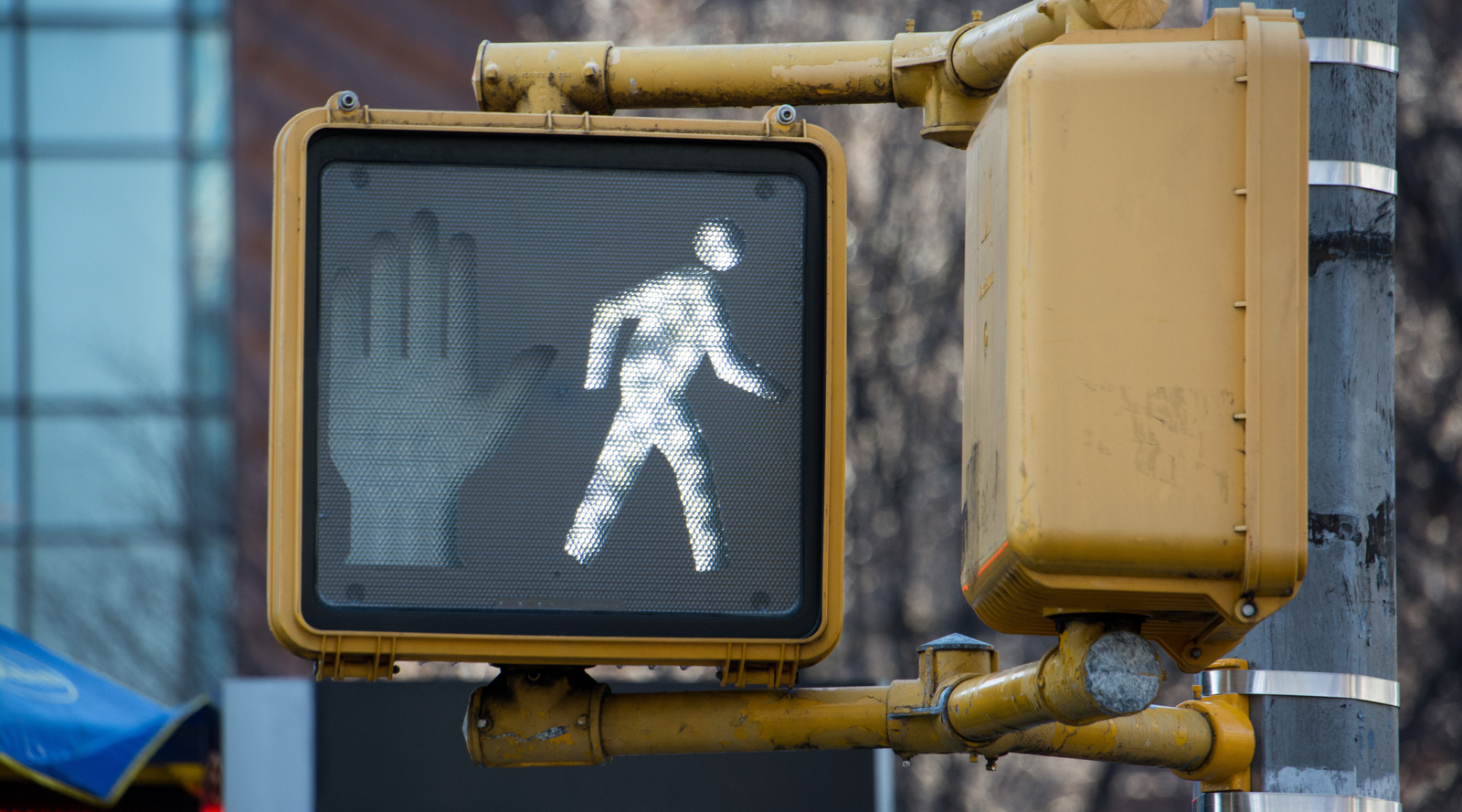
- Traffic Signal Compliance: Pedestrians must obey pedestrian control signals. Crossing against a “Don’t Walk” signal or red light violates Pennsylvania traffic law.
- Yielding When Jaywalking: If a pedestrian crosses outside of a marked or unmarked crosswalk between intersections, they must yield the right-of-way to vehicles. However, drivers still have a duty to avoid hitting pedestrians even when pedestrians are jaywalking.
- Roadway Walking Rules: When sidewalks are not available, pedestrians must walk on the left side of the roadway facing oncoming traffic when practical and safe.
- Highway Restrictions: Pedestrians are generally prohibited from walking on limited-access highways and certain roadways where pedestrian access is restricted.
Right-of-Way Rules in Pennsylvania
Understanding right-of-way rules is critical in determining fault in pedestrian accidents.
- Marked Crosswalks: Pedestrians have the right-of-way when crossing in marked crosswalks. Drivers approaching the crosswalk must stop and yield.
- Unmarked Crosswalks at Intersections: Pennsylvania law recognizes unmarked crosswalks at intersections. Even without pavement markings, pedestrians crossing at intersections within the natural extension of sidewalks or road edges have the right-of-way.
- Mid-Block Crossings: When pedestrians cross mid-block (not at an intersection), they must yield to vehicles. However, drivers who see a pedestrian crossing mid-block still have a duty to slow down or stop to avoid hitting them.
- Traffic Signals: At signalized intersections, pedestrians must follow pedestrian signals. When pedestrian signals are present, pedestrians cannot cross against the signal even if the parallel traffic light is green.

Proving Fault in Pennsylvania Pedestrian Accidents
Establishing liability in pedestrian accidents requires demonstrating that the driver violated traffic laws or failed to exercise reasonable care. Common forms of driver negligence in pedestrian accidents include:
- Distracted Driving: Texting, phone use, eating, or other distractions that prevent drivers from seeing pedestrians.
- Speeding: Excessive speed reduces reaction time and increases the severity of injuries when collisions occur.
- Failure to Yield: Ignoring crosswalk right-of-way rules or failing to stop for pedestrians.
- Impaired Driving: Driving under the influence of alcohol or drugs significantly increases pedestrian accident risk.
- Illegal Turns: Turning without checking for pedestrians or turning against traffic signals.
- Poor Weather Driving: Failing to adjust driving behavior for rain, snow, fog, or other conditions that reduce visibility.
- Backing Without Looking: Failing to check for pedestrians before backing out of parking spaces or driveways.
Evidence that establishes driver fault includes traffic camera footage, witness statements, police reports documenting violations, cell phone records showing distraction, vehicle damage patterns, and accident reconstruction analysis.
Pennsylvania’s Comparative Negligence Rule
Pennsylvania follows a modified comparative negligence system. If you were partially at fault for your pedestrian accident, your compensation is reduced by your percentage of fault. However, if you are found more than 50% at fault, you cannot recover any compensation.
For example, if you crossed mid-block at night wearing dark clothing and were struck by a speeding driver, a jury might find you 30% at fault and the driver 70% at fault. If your total damages are $100,000, you would recover $70,000 (reduced by your 30% fault).
Insurance companies often try to shift blame to pedestrians to reduce their payout obligations. They may argue the pedestrian was jaywalking, wearing dark clothing, distracted by a phone, or intoxicated. An experienced attorney can counter these arguments and protect your right to fair compensation.
Common Injuries in Pedestrian Accidents
Pedestrian accidents typically cause severe injuries due to the force of impact and the pedestrian’s lack of protection. Common injuries include:
- Traumatic Brain Injuries: Head impacts with vehicles or pavement can cause concussions, skull fractures, and permanent brain damage.
- Spinal Cord Injuries: Back and neck injuries may result in paralysis, loss of sensation, or permanent mobility limitations.
- Broken Bones: Fractures of the legs, arms, pelvis, ribs, and facial bones are common and often require surgery.
- Internal Injuries: Blunt force trauma can cause internal bleeding, organ damage, and life-threatening complications.
- Road Rash: Sliding across pavement causes severe abrasions, scarring, and skin damage.
- Soft Tissue Injuries: Sprains, strains, torn ligaments, and muscle damage can cause chronic pain and disability.
- Psychological Trauma: Pedestrian accident victims often experience PTSD, anxiety, depression, and fear of crossing streets.
The severity of these injuries often results in extended hospitalization, multiple surgeries, lengthy rehabilitation, permanent disability, and life-altering consequences for victims and their families.
Compensation Available in Pedestrian Accident Cases
Pennsylvania law allows pedestrian accident victims to recover several types of compensation:
- Medical Expenses: Emergency treatment, hospitalization, surgery, medication, physical therapy, assistive devices, home health care, and future medical needs.
- Lost Wages: Income lost during recovery, including salary, bonuses, benefits, and self-employment income.
- Lost Earning Capacity: If injuries prevent you from returning to your previous occupation or reduce your earning potential, you can recover compensation for future lost income.
- Pain and Suffering: Physical pain, emotional distress, loss of enjoyment of life, and reduced quality of life.
- Scarring and Disfigurement: Permanent scarring or disfigurement that affects appearance and self-esteem.
- Loss of Consortium: Spouses may recover compensation for loss of companionship, affection, and marital relations.
In rare cases involving particularly reckless conduct, such as drunk driving or intentional acts, courts may award punitive damages to punish the defendant and deter similar behavior.
Insurance Coverage in Pedestrian Accident Cases
Multiple insurance policies may provide coverage after a pedestrian accident:
- Driver’s Auto Insurance: The at-fault driver’s liability insurance is the primary source of compensation. Pennsylvania requires minimum liability coverage of $15,000 per person, though many drivers carry higher limits.
- Your Auto Insurance: Even though you weren’t in a vehicle, your own auto insurance policy may provide coverage through uninsured/underinsured motorist protection or medical payments coverage.
- Homeowner’s or Renter’s Insurance: Some policies provide limited medical payments coverage for injuries occurring on the property.
- Health Insurance: Your health insurance covers medical treatment, though the insurer may seek reimbursement from any settlement you receive.
Understanding which policies apply and how they interact requires careful analysis. An experienced attorney can identify all available coverage sources and maximize your recovery.
What to Do After a Pedestrian Accident
Taking the right steps after a pedestrian accident protects your health and legal rights:
- Call 911: Always report pedestrian accidents to police and request medical assistance, even if injuries seem minor. Many serious injuries have delayed symptoms.
- Get Medical Treatment: Accept ambulance transport if recommended. Prompt medical care documents your injuries and establishes the connection between the accident and your condition.
- Document the Scene: If you’re able, take photos of the accident location, crosswalk markings, traffic signals, vehicle damage, and your injuries. Get contact information from the driver and witnesses.
- Preserve Evidence: Keep the clothing you were wearing, save any damaged personal items, and obtain a copy of the police report.
- Avoid Giving Statements: Don’t provide recorded statements to insurance companies or discuss fault at the scene. Anything you say can be used to reduce your compensation.
- Contact an Attorney: Pedestrian accident cases involve complex liability issues and insurance negotiations. Legal representation protects your rights and maximizes your recovery.
Time Limits for Filing Pedestrian Accident Claims
Pennsylvania’s statute of limitations gives you two years from the accident date to file a personal injury lawsuit. Missing this deadline typically means losing your right to compensation forever.
However, waiting too long to pursue your claim can weaken your case. Evidence disappears, witnesses’ memories fade, and insurance companies may view delayed claims skeptically. Consulting with an attorney soon after your accident gives you the best chance of success.
Special Considerations for Child Pedestrian Accidents
Children are particularly vulnerable to pedestrian accidents. Their smaller size makes them harder for drivers to see, and they lack the judgment and experience to navigate traffic safely.
Pennsylvania law recognizes that children cannot be held to the same standard of care as adults. Courts evaluate children’s actions based on what a reasonable child of similar age and experience would do in the same circumstances.
For very young children, courts may find they have no contributory fault at all. This protection ensures that children injured by negligent drivers can recover full compensation despite their inability to fully understand traffic dangers.
Parents or guardians can file claims on behalf of injured children, and settlements involving minors require court approval to ensure the child’s interests are protected.
Contact an Experienced Altoona Pedestrian Accident Attorney
If you or a loved one has been injured in a pedestrian accident, you need experienced legal representation to protect your rights and pursue the compensation you deserve. Insurance companies will work to minimize their liability, and navigating Pennsylvania’s pedestrian laws without legal guidance can jeopardize your recovery.
At Gieg & Jancula, we have extensive experience representing pedestrian accident victims throughout central Pennsylvania. We thoroughly investigate each accident, gather evidence to establish liability, and fight for maximum compensation for our clients’ injuries.
Don’t face the insurance companies alone. Contact Gieg & Jancula today for a free consultation. We’ll review your case, explain your legal options, and help you pursue the justice and compensation you deserve. Let us handle the legal complexities while you focus on your recovery.