
Dog bites can result in serious physical injuries, emotional trauma, and significant medical expenses. In Pennsylvania, thousands of dog bite incidents occur each year, leaving victims with questions about their legal rights and whether they can recover compensation for their injuries.
At Gieg & Jancula, we help Altoona residents understand their rights after dog bite incidents and pursue fair compensation from responsible parties. Pennsylvania’s dog bite laws establish specific rules for when and how dog owners can be held liable for injuries their animals cause.
Pennsylvania’s Dog Bite Liability Laws
Pennsylvania takes a unique approach to dog bite liability. Unlike some states that impose strict liability for all dog bites, Pennsylvania uses a mixed system that depends on the severity of the injury and the dog’s history.
The state’s primary dog bite statute is found in Pennsylvania Consolidated Statutes Title 3, Section 459-502. This law establishes different levels of liability based on whether the incident resulted in severe injury and whether the dog had a history of aggressive behavior.
Severe Injury Cases: Strict Liability
For severe injuries, Pennsylvania imposes strict liability on dog owners. This means the owner is responsible for damages regardless of whether they knew the dog was dangerous or took precautions to prevent the attack.
What Qualifies as a Severe Injury?
Pennsylvania law defines severe injury as:
- Broken bones
- Disfigurement
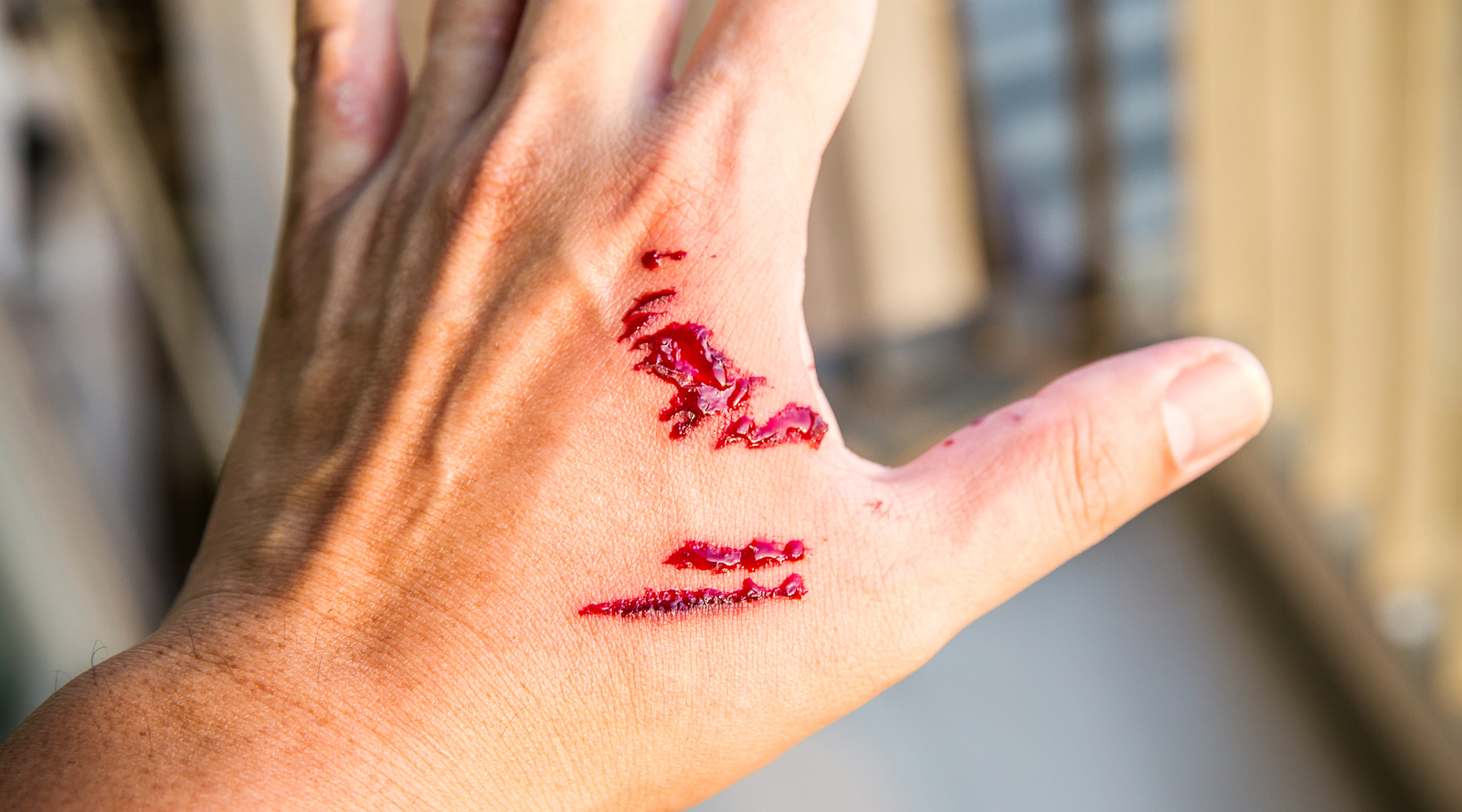
- Lacerations requiring multiple stitches
- Any injury requiring cosmetic surgery or hospitalization
If your dog bite injury meets this definition, you can hold the owner liable without proving the dog had previously shown aggressive tendencies. The owner’s lack of knowledge about the dog’s dangerous propensities is not a defense in severe injury cases.
Non-Severe Injury Cases: The One-Bite Rule
For injuries that don’t meet the severe injury threshold, Pennsylvania follows what’s commonly called the “one-bite rule.” Under this approach, you must prove the dog owner knew or should have known their dog had dangerous propensities.
Evidence that establishes a dog’s dangerous nature includes:
- Prior Biting Incidents: Previous attacks on people or animals demonstrate the dog’s aggressive tendencies.
- Aggressive Behavior: A history of growling, lunging, snapping, or threatening behavior can establish dangerous propensities.
- Breed Characteristics: While breed alone isn’t sufficient, evidence that the owner was aware of breed-specific aggressive traits combined with other factors may support a claim.
- Owner Warnings: If the owner previously warned others that their dog might bite or was aggressive, this admission can establish knowledge of dangerous propensities.
Even minor injuries can result in substantial medical bills, lost wages, and emotional distress. If you can prove the owner knew their dog was dangerous, you may recover compensation even if your injuries don’t qualify as severe.
Strict Confinement Law: Liability for Attacks by Dangerous Dogs
Pennsylvania also has a strict confinement law that applies specifically to dogs that have been deemed dangerous. If a dog has been classified as dangerous by a court or local authority and subsequently attacks someone, the owner faces strict liability regardless of the injury severity.
A dog may be classified as dangerous if it:
- Has attacked a person or domestic animal without provocation
- Has a history of aggressive behavior
- Has been trained for dog fighting
Once a dog is classified as dangerous, owners must follow specific requirements, including secure confinement, warning signs, liability insurance, and registration with local authorities. Failure to comply with these requirements can result in additional liability and criminal penalties.
Medical Expenses Coverage: Automatic Liability
Even in cases where you cannot prove severe injury or the owner’s knowledge of dangerous propensities, Pennsylvania law requires dog owners to pay for victims’ medical expenses. This includes:
- Emergency room treatment
- Hospitalization costs
- Doctor visits and follow-up care
- Prescription medications
- Physical therapy
- Psychological counseling for trauma
This medical expense provision applies to all dog bite cases, providing at least some compensation to victims even when proving full liability is challenging.
Defenses Dog Owners May Raise
Dog owners and their insurance companies often attempt to avoid liability by raising certain defenses. Understanding these defenses helps you prepare a stronger case.
- Trespassing: If you were unlawfully on the owner’s property when the bite occurred, the owner may not be liable. However, this defense doesn’t apply if you were lawfully present, such as a mail carrier, delivery person, or invited guest.
- Provocation: If the owner can prove you provoked the dog through teasing, tormenting, or abusing the animal, they may escape liability. However, children under seven years old are presumed incapable of provocation under Pennsylvania law.
- Assumption of Risk: If you voluntarily assumed the risk of being bitten (such as a veterinarian treating an injured dog), the owner may argue reduced liability. This defense is highly fact-specific and rarely eliminates liability entirely.
- Comparative Negligence: Pennsylvania follows a modified comparative negligence rule. If you were partially at fault for the incident, your compensation may be reduced by your percentage of fault. If you’re found more than 50% at fault, you cannot recover compensation.
What to Do After a Dog Bite in Pennsylvania
Taking the right steps immediately after a dog bite can significantly strengthen your legal claim.
- Seek Medical Attention: Even seemingly minor bites can lead to serious infections or complications. Document your injuries through medical records, photographs, and doctors’ notes.
- Report the Incident: File a report with local animal control or police. This creates an official record and may trigger an investigation into whether the dog has a history of aggression.
- Gather Information: Obtain the dog owner’s name, contact information, and homeowner’s insurance details. Get contact information for any witnesses who saw the attack.
- Document Everything: Take photographs of your injuries, the location where the bite occurred, and the dog if possible. Keep records of all medical treatment and expenses.
- Preserve Evidence: Save clothing damaged in the attack and maintain a journal documenting your recovery, pain levels, and how the injury affects your daily life.
- Contact an Attorney: Dog bite cases involve complex liability issues and insurance negotiations. An experienced personal injury attorney can protect your rights and maximize your compensation.
Compensation Available in Pennsylvania Dog Bite Cases
Victims of dog bites in Pennsylvania may recover several types of compensation:
- Economic Damages: Medical expenses (past and future), lost wages, reduced earning capacity, and rehabilitation costs.
- Non-Economic Damages: Pain and suffering, emotional distress, scarring and disfigurement, and loss of enjoyment of life.
- Punitive Damages: In rare cases involving particularly reckless conduct by the owner, courts may award punitive damages to punish the defendant and deter similar behavior.
The value of your case depends on factors including injury severity, impact on your life, permanence of scarring or disability, the defendant’s conduct, and available insurance coverage.
Time Limits for Filing Dog Bite Claims
Pennsylvania law imposes a two-year statute of limitations for personal injury claims, including dog bites. You must file your lawsuit within two years of the date the bite occurred, or you lose your right to compensation.
However, waiting until the deadline approaches can harm your case. Evidence becomes harder to gather, witnesses’ memories fade, and insurance companies may view delayed claims skeptically. Consulting with an attorney soon after the incident gives you the best chance of building a strong case.
Homeowner’s Insurance and Dog Bite Claims
Most dog bite claims are covered by the owner’s homeowner’s or renter’s insurance policy. These policies typically include liability coverage for injuries caused by the policyholder’s dog, though some policies exclude certain breeds or have specific limitations.
Insurance companies often attempt to minimize payouts by disputing injury severity, claiming provocation, or arguing the dog had no history of aggression. An experienced attorney understands these tactics and can effectively negotiate with insurance adjusters to secure fair compensation.
Special Considerations for Child Victims
Children are particularly vulnerable to dog bites and often suffer more severe injuries due to their smaller size. Pennsylvania law provides special protections for child victims:
- Children under seven cannot be found to have provoked a dog
- Courts recognize the unique emotional trauma children experience from dog attacks
- Scarring and disfigurement injuries may warrant higher compensation given the child’s long life ahead
Parents or guardians can file claims on behalf of injured children, and settlements involving minors require court approval to ensure the child’s interests are protected.
Contact an Experienced Altoona Dog Bite Attorney
If you or a loved one has been injured in a dog bite incident, understanding your legal rights is the first step toward recovery. Pennsylvania’s dog bite laws provide pathways to compensation, but navigating insurance claims and proving liability requires experienced legal guidance.
At Gieg & Jancula, we have extensive experience handling dog bite cases throughout central Pennsylvania. We thoroughly investigate each incident, gather evidence to establish liability, and fight for the full compensation our clients deserve.
Don’t let a dog owner’s insurance company minimize your claim or pressure you into an inadequate settlement. Contact Gieg & Jancula today for a free consultation. We’ll review your case, explain your legal options, and help you pursue the compensation you need to recover from your injuries.